


Back pain is one of the most common health problems.The causes of pain are different: from simple physical overexertion after an uncomfortable position to serious disorders of the human body.
Types of painful sensations
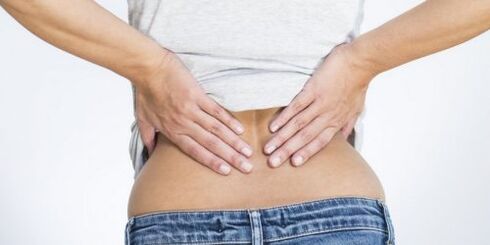
The lower back is the lower part of the back that starts at the ribs and ends at the tailbone.Lumbar pain can manifest itself in several ways: it can be sharp or nagging, aching or burning, it can be concentrated in one place, or it can spread all the way back.
Based on the duration, lumbar pain is divided into:
- periodic, related to physical activity, overload, body characteristics or internal diseases;
- permanent or chronic, caused by irreversible pathology of locomotor diseases or vascular diseases of the legs.
The latter type often accompanies inflammatory or degenerative processes of bone or cartilage tissue, which cannot be completely cured, but can only be reduced or stopped for a short time.
Why do you feel discomfort?
Pain in the lumbar region is the result of a person walking upright and a large load is placed on the lumbar spine.The base of the spine is made up of bone tissue, and nerve roots are located around it, which send signals about pain.
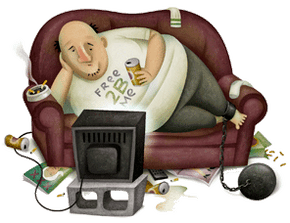
If a person sits in one position for a long time, then when standing up, "lumpa" occurs, which does not allow him to straighten up.This can be caused by pinching of the nerve endings near the spine, swelling of the muscles, intervertebral discs or ligaments.
To diagnose the problem, an external medical examination of the spine and additional tests are required:
- x-ray examination;
- computed tomography (CT) or magnetic resonance imaging (MRI).
Main reasons
Based on the origin of lower back pain, it can be divided into 2 groups:
- primary, which is caused by the development of pathologies in the area of the spinal column, functional changes in muscles, joints, discs, ligaments and tendons;
- secondary, related to spinal injuries and various infections and diseases of the internal organs located in the pelvis area.
The most common causes of pain in the lumbar region are the following diseases:
- Lumbago.It manifests suddenly as acute pain in the lumbar region due to pathological changes in the vertebrae.
- Osteochondrosis.It includes a number of inflammatory or dystrophic diseases, which are manifested in a decrease in the elasticity and strength of the intervertebral discs, in the loosening of the surface of the bone and cartilage tissue, and in nerve damage.Protrusion of the intervertebral disc refers to a stage of osteochondrosis in which the protrusion of the cartilage occurs.
- Sciatica.It occurs when the sciatic nerve becomes inflamed or compressed;the pain starts in the lower back and radiates to the back of one leg.
- Lumbar radiculitis.It can occur when bending, sneezing or laughing, is caused by inflammation of the nerve endings, and can lead to a decrease in sensitivity and mobility.
- Scoliosis is a curvature of the spine to one side, which manifests itself in the asymmetry of shoulder height, poor posture and the formation of a hump.The cause of the disease is a decrease in the functions of the muscles and bones of the skeleton.
- Ankylosing spondylitis is a chronic disease accompanied by loss of joint mobility due to the growth of connective tissue in the lumbar region and other areas.
- Rheumatoid arthritis is a chronic inflammation of the joints, including the hip joints.
Those who spend a long time in an uncomfortable position (sitting in front of a computer or leaning over garden beds) are prone to spinal diseases, which causes muscle tension and muscle spasms.
Diseases of internal organs can also cause back pain:
- most often pain occurs in the kidneys (pyelonephritis, kidney failure, stones, colic);
- diseases of the digestive system and gastrointestinal tract (cholecystitis, pancreatitis, appendicitis, adhesions after surgery) - often reflected in nagging pain in the lumbar region;
- if the lungs are affected (pneumonia), a painful sensation may appear in the lumbar region, especially when coughing;
- bone tuberculosis and other infections;
- growing tumors, benign or malignant, growing in the direction of the dorsal nerve fibers.
For men
Intermittent lower back pain can occur in men during heavy physical exertion, during work in cold or strong drafts.
In addition, pain is characteristic of some male diseases:
- in prostatitis they sometimes appear and radiate to the back, accompanied by general weakness and fever;
- with epididymitis (inflammatory process in the epididymis) they are localized in the groin, returning to the lower back.
In women
Pain in the lumbar region of women can occur against the background of gynecological diseases or accompanied by certain physiological processes in the body:
- with inflammation of the appendages (adnexitis), they start in the lower abdomen and then radiate back;
- during childbirth, the lower back may hurt and radiate to the spine under the pressure of the growing fetus (starting from the 5th month of pregnancy), if there is a risk of miscarriage, they manifest in the form of contractions;
- During menopause, the pain changes localization, moving from the head to the chest or to the lower back;they are caused by fluctuating blood estrogen levels and poor circulation in the pelvic organs.
Women experience back pain and increased suspicion.Those related to nervous stress are treated with psychological correction.
Methods of pain relief

In the case of lower back pain, after clarifying the cause and diagnosing the underlying disease, the neurologist prescribes painkillers in the form of ointments, tablets or injections.Their use allows the patient to feel better in order to alleviate negative feelings and lead a normal life.
The main groups of pain relievers:
- pain relievers;
- anti-inflammatory non-steroidal drugs in tablet form;
- steroid hormonal drugs;
- injections to relieve spasms and inflammation;
- muscle relaxants that help reduce skeletal muscle tone;
- chondroprotectors are used for spinal hernia;
- Ointments, gels and suppositories;
- medical patches and stickers.
Medicines help not only to relieve pain, but also to normalize blood circulation and restore nerve tissue.
All drugs have side effects and contraindications, so they are used only after consulting a doctor.
In particularly severe cases, drugs are used that reduce pain by affecting the nervous system.However, if taken for a long time, they can become addictive.
Treatment
After determining the cause of lower back pain, complex therapy of the underlying disease is carried out.
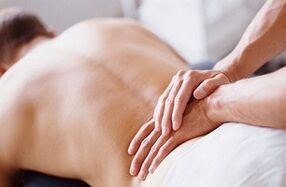
With the permission of the attending physician, alternative methods can also be used:
- therapeutic massage course;
- manual therapy, which can only be performed by highly trained professionals to avoid complications;
- acupuncture (helps relieve muscle tension and pain);
- physical therapy and yoga.
In order to get rid of lumbar pain, folk recipes are also used:
- Tea made from birch leaves and lingonberries.Boil the dry mixture with boiling water and drink it in small portions throughout the day.
- Ointment made of butter with the addition of chopped garlic cloves and ginger root.It should be applied to the painful area.
Prevention
In order to avoid unpleasant pain in the lower back, you must follow the basic rules of prevention:
- sleep on a semi-rigid mattress in the correct physiological position;
- if you sit in one position for a long time, do not stand up suddenly;you need to take a break, warm up or exercise;
- avoid sudden movements and bending;
- perform daily special gymnastic exercises to train all parts of the spine (only with the permission of a doctor).